
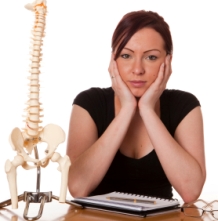
 What causes cauda equina syndrome? Compression of the cauda equina nerves causes cauda equina syndrome. There are different ways in which compression can happen. For example, a slipped disc in the lower spine can push upon then nerves, which in turn causes cauda equina syndrome.
What causes cauda equina syndrome?
The cauda equina nerves are located at the base of the spine. They are very delicate and will become damaged, should anything press upon them.
When compression damages the nerves, they will start to lose function and the individual will develop symptoms of a neurological nature. This includes numbness in the perineum and urinary disturbance. When nerve compression leads to neurological dysfunction, it is defined as cauda equina syndrome.
“I would like to take the opportunity to thank you for taking on J’s case, for the comprehensive advice and also for keeping us regularly updated with regard to the progress. I would not hesitate to recommend you or the firm to anyone in the future.”
Mr B.
There are different ways in which the nerves can become compressed. The causes of cauda equina syndrome include the following:
- Slipped (prolapsed/herniated) vertebral disc
- Sequestered vertebral disc
- Narrowing of the spinal column – e.g. because of spinal stenosis
- Infection
- Lesions – e.g. spinal tumours, abscesses
- Inflammation – e.g. because of conditions such as Paget’s disease, ankylosing spondylitis, sarcoidosis
- Spinal trauma
- Spinal anaesthesia (epidural)
- Lumbar puncture
- Cerebrospinal fluid leak during surgery
All of these things can press upon the cauda equina nerves, and are all therefore causes of cauda equina syndrome.
Causes cauda equina syndrome – have I got it?
Whatever is compressing the nerves, the effect will be the same: the nerves will become injured and function will be reduced. The nerves will continue to deteriorate until function is lost altogether.
The cauda equina nerves allow movement and sensation in the lower limbs, the saddle area (the collective term for the buttocks, perineum and genitals), and the pelvic organs (including the bladder, bowel and rectum).
When the nerves are harmed, function will be reduced in these areas of the body. Patients can present in different ways, but generally speaking there will be a degree of:
- Lower back pain with can extend into the legs, mimicking sciatica
- Numbness around the perineum, buttocks and genitals
- Difficulty urinating with reduced urethral sensation and retention of urine
- Sexual dysfunction
- Change in bowel habits, with constipation and/or incontinence
Treating causes of cauda equina syndrome
When treating cauda equina syndrome, it is important that medical practitioners discover the underlying cause of nerve compression. Only by treating the cause of cauda equina syndrome can the condition be successfully cured.
If clinicians fail to diagnose and treat cauda equina syndrome to a reasonable standard, there may be a case of medical negligence. For more information, please get in touch with us today.